
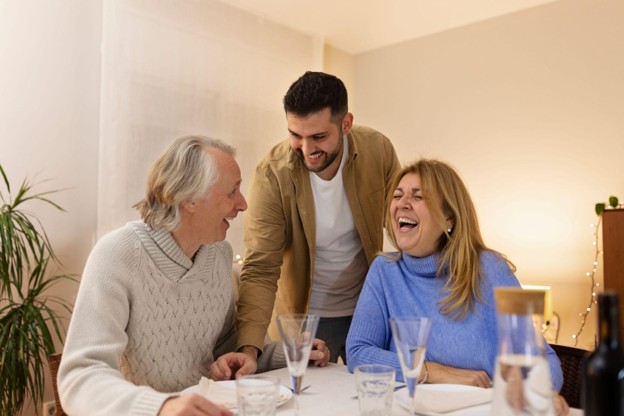
Why Families Are Turning to Around-the-Clock Support to Help Seniors Age Safely at Home
For many families, keeping loved ones safe and comfortable at home has become a top priority. Increasingly, 24-hour in-home care is helping seniors maintain independence while receiving the continuous support needed to age safely in familiar surroundings. As more older adults choose to remain at home rather than relocate to assisted living facilities, families are exploring care solutions that offer reassurance and a sense of safety.
Aging often brings new challenges that can make everyday activities more difficult. Mobility concerns, medication management, chronic health conditions, and the risk of falls can create stress for both seniors and their family members. While occasional assistance may be sufficient for some individuals, others benefit from continuous support that ensures help is always available when needed.
For many households, around-the-clock care has become an effective way to balance safety, independence, and quality of life.
How 24-Hour In-Home Care Supports Aging in Place
Many older adults express a strong desire to remain in their homes for as long as possible. Familiar surroundings can provide comfort, stability, and a sense of independence that may be difficult to replicate elsewhere.
24-hour in-home care allows seniors to continue living in the environment they know while receiving personalized assistance tailored to their needs.
Caregivers may assist with:
- Personal care routines
- Mobility support
- Medication reminders
- Meal preparation
- Household tasks
- Companionship
This support helps individuals maintain their daily routines while reducing many of the challenges associated with aging.
For families, knowing that assistance is available at all hours can provide significant reassurance.
Safety Concerns Often Increase With Age
One of the primary reasons families consider additional support is safety concerns. As individuals age, risks associated with falls, medical emergencies, and mobility limitations often become more significant.
24-hour in-home care provides continuous supervision that can help address these concerns before they become serious problems.
Potential safety benefits include the following:
- Faster response during emergencies
- Assistance with mobility
- Fall prevention support
- Monitoring of changing health conditions
- Help with daily activities
- Reduced risk of accidents
Having a caregiver available around the clock can provide an added layer of protection that many families find valuable.
Rather than relying solely on periodic check-ins, continuous care helps ensure that support is available whenever it is needed.
Families Gain Peace of Mind
Caring for an aging loved one can be emotionally rewarding, but it can also create significant stress and responsibility.
Many family caregivers balance caregiving duties with work, parenting, and personal obligations. As care needs increase, maintaining this balance can become increasingly difficult.
24-hour in-home care often provides families with the following:
- Greater peace of mind
- Reduced caregiver stress
- Improved scheduling flexibility
- Confidence that support is available
- Better work-life balance
- More quality time with loved ones
Rather than focusing solely on caregiving responsibilities, family members can often spend more meaningful time together.
This support can help strengthen relationships while reducing burnout among family caregivers.
Overnight Assistance Can Be Especially Important
Many health and safety concerns occur during overnight hours. Seniors may experience confusion, mobility challenges, or medical issues that require attention while family members are sleeping.
24-hour in-home care ensures that assistance remains available throughout the night.
Overnight support may help with:
- Bathroom assistance
- Fall prevention
- Medication needs
- Mobility challenges
- Monitoring health concerns
- Providing reassurance
For seniors who require frequent nighttime assistance, this level of support can significantly improve both safety and comfort.
Families often find reassurance in knowing that someone is available to respond quickly if a need arises during the night.
Personalized Care Meets Individual Needs
Every senior has unique needs, preferences, and routines. One of the advantages of home-based care is the ability to provide individualized support that reflects those differences.
24-hour in-home care can be tailored to accommodate the following:
- Health conditions
- Mobility levels
- Personal preferences
- Daily schedules
- Nutritional needs
- Social interests
This personalized approach allows seniors to maintain greater control over their daily lives while receiving the assistance they need.
Care plans can also evolve as needs change, helping ensure ongoing support remains appropriate and effective.
Social Interaction Remains Important
Safety is only one aspect of healthy aging. Social engagement and meaningful interaction also play important roles in overall well-being.
Many seniors experience isolation as they age, particularly if mobility limitations make it difficult to participate in community activities.
24-hour in-home care often provides valuable companionship that helps reduce loneliness and support emotional well-being.
Benefits of regular social interaction may include:
- Improved mood
- Reduced feelings of isolation
- Greater emotional support
- Increased engagement in activities
- Better overall quality of life
- Enhanced daily enjoyment
Companionship can be just as meaningful as physical assistance when it comes to supporting long-term wellness.
Preparedness Matters During Unexpected Situations
Unexpected events such as severe weather, power outages, or medical emergencies can create additional challenges for older adults living alone.
Families increasingly recognize the value of having reliable support available during situations that may disrupt normal routines.
24-hour in-home care helps ensure that seniors continue receiving assistance even when circumstances become more difficult.
Whether managing changing weather conditions or responding to unexpected health concerns, continuous support can provide stability during uncertain situations.
This level of preparedness is often an important consideration for families seeking dependable care solutions.
Supporting Independence Through Compassionate Care
According to information highlighted by Elder Care Review, high-quality senior care increasingly focuses on supporting independence while addressing safety, health, and emotional well-being needs. This person-centered approach allows older adults to maintain dignity and quality of life while receiving appropriate assistance.
24-hour in-home care reflects this philosophy by providing support that helps seniors remain active participants in their lives rather than simply receiving care.
The goal is not to replace independence but to help preserve it.
A Growing Choice for Modern Families
As more seniors choose to age in place, families are seeking care options that provide both flexibility and security. 24-hour in-home care offers a practical solution for individuals who require ongoing support while wishing to remain in familiar surroundings.
By combining safety, companionship, personalized assistance, and continuous availability, this approach helps older adults maintain independence while giving families greater peace of mind. For many households, around-the-clock support has become an important tool in helping loved ones age safely, comfortably, and confidently at home.